Tuesday, 11 February 2014

DESIGN PROCESS - RESPONSIVE - D&AD NATIONAL TRUST - AESTHETIC RESEARCH

MOSS GRAFFITI


eco graffiti with moss

green advertising, good idea for the bus shelter project


STENCIL AND PRESSURE WASHER

CLEAN ADVERTISING | FRESH GREEN ADS© - the innovative green media agency


POSTER

David vs Goliath - Greenpeace


Each leaf traps CO2 - Grow plants save mother earth!


DESIGN PROCESS - RESPONSIVE - BRIEF FOUR RESEARCH

Once I had created a concept, re-written the brief and chosen a point of focus I started collecting research to help inform my outcome.


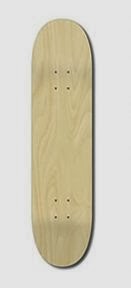
'POPSICLE' SHAPED SKATEBOARD 

Although I have been skateboarding for many years I wanted to double check the shape 


ALICE IN WONDERLAND 

As I am focusing on the classic children's story 'Alice In Wonder Land' I started my research by watching the film and outlining specific points of interest that could be represented on the skateboard. When choosing these points of interest I looked for defining moments in the film as well as points that I found inspiring as a designer.


ALICE IN WONDERLAND FILM - SECONDARY RESEARCH 

As a child I regularly watched Disney's animated rendition of the classic tale released in 1951. Therefore, as I am basing my concept around what inspired me as a child I will watch this version to ensure that my project stays relevant. 


DEFINITIVE MOMENTS;

Below are the definitive moments that I found inspirational and/or interesting while watching the film. As the program progressed certain memories from when I was young were triggered enabling me to remember watching specific parts as a child. With regards to the outlined concept, the parts of the film that I could specifically remember watching as a child hold the most relevance as they were responsible for a lot of childhood inspiration.


FALLING DOWN THE RABBIT HOLE 


  • The definitive scene where Alice falls down the rabbit hole is at the very start of the film and gives her access to the magical world she enters.


DRINKING POTION 


  •  


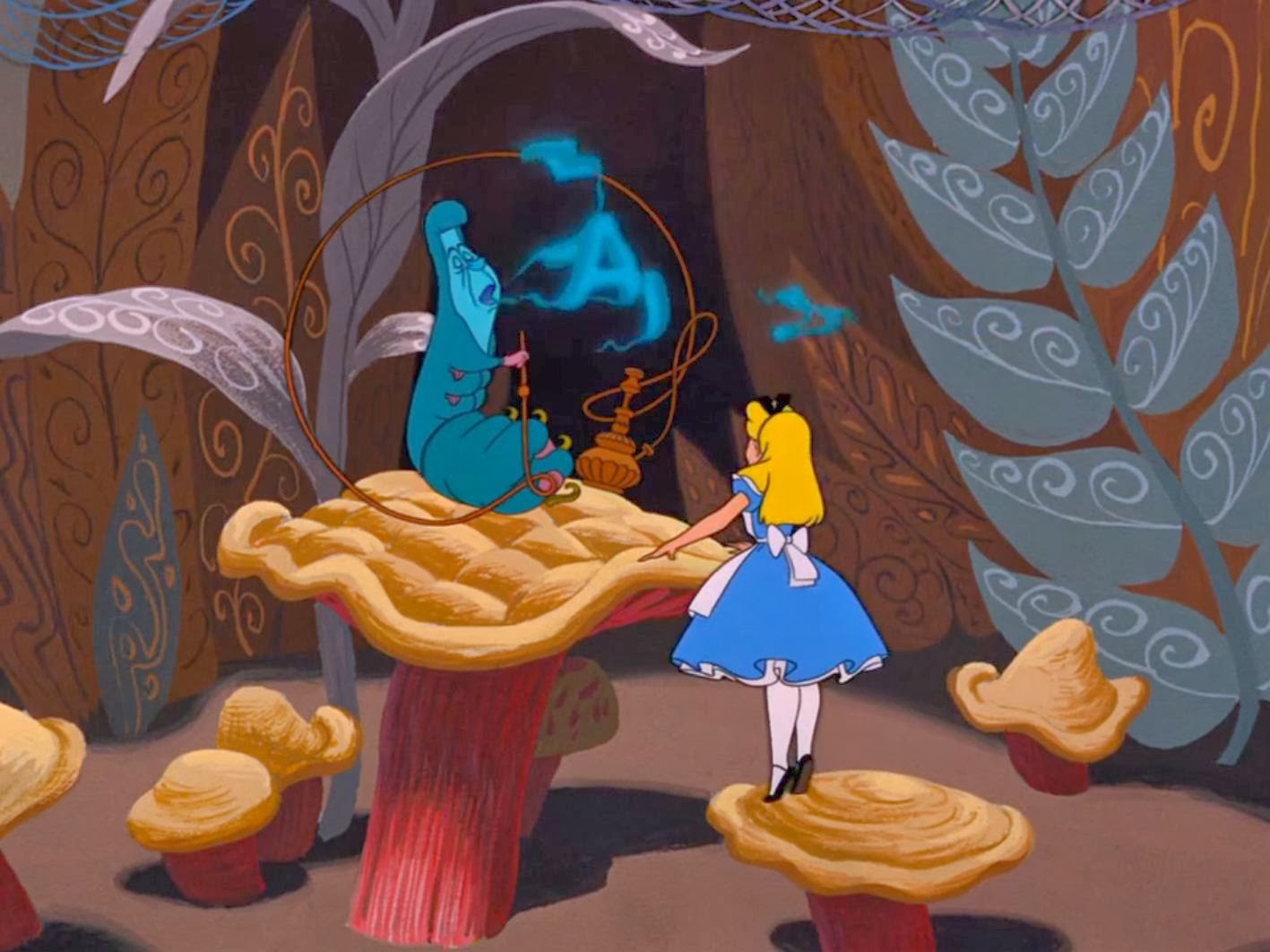
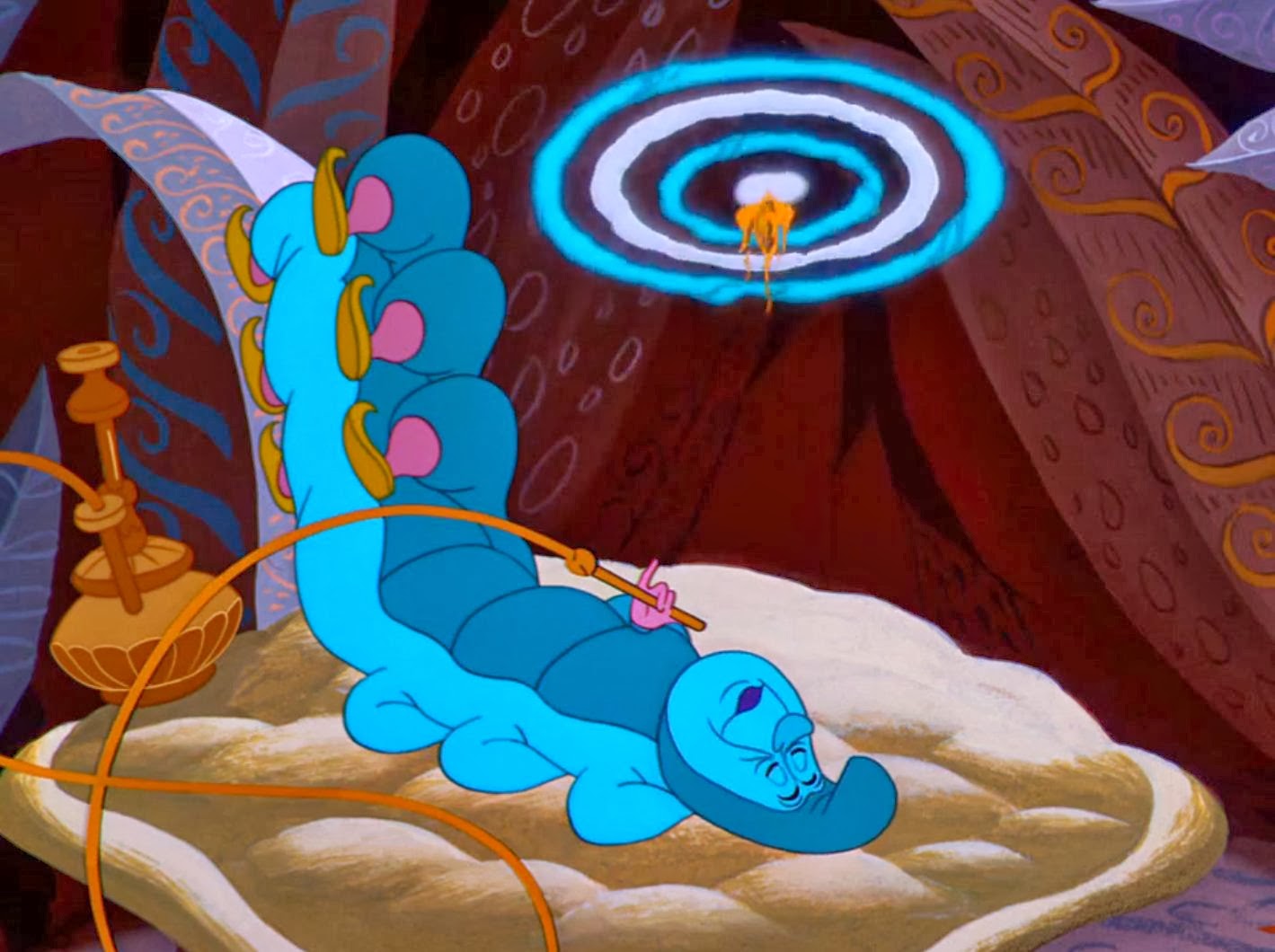
SMOKING CATERPILLAR 


THE CHESHIRE CAT 


THE MAD HATTERS TEA PARTY 


CHOSEN SCENE/CHARACTER 


AESTHETIC RESEARCH

After selecting a character I collected some quick aesthetic research, as outlined in the time management section of the project I am looking to quickly complete the brief


SKATEBOARD - SECONDARY 


Alice in Wonderland themed skateboard design by Santa Cruise.


Vector illustration by Rory Martin


Pipe Dreams by Phillip Morgan.


Rat's by Kris Fry.


Sushi skateboards by Fakirdesign


Heavy metal inspired illustrations by Richard 'French Sayer'.


Roger skateboards illustrations by Michael Sieben.


Cartoon inspired skateboard designs by Mike O'Shea.


Smorgas-Beard by Ramsey Sibaja.


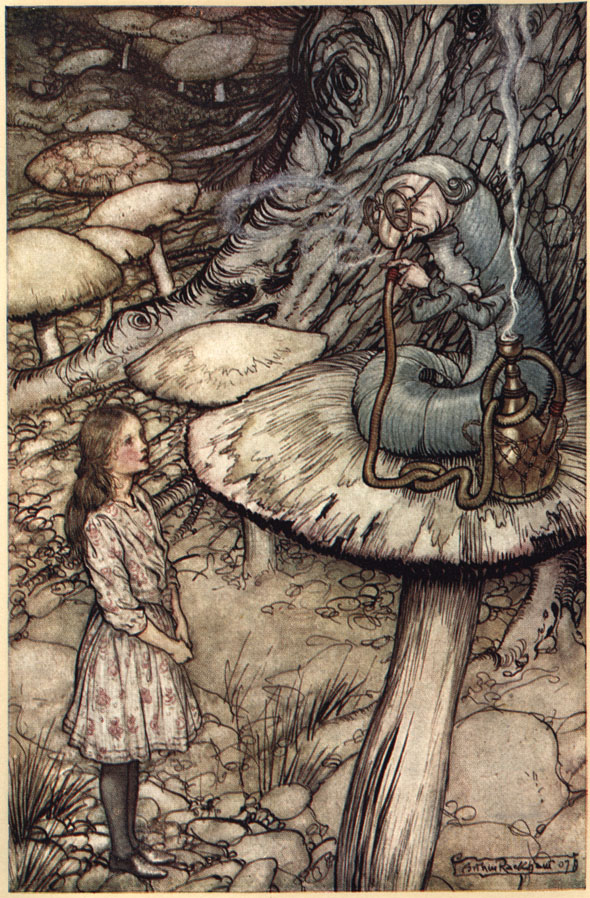
CATERPILLAR - SECONDARY

Alice in Wonderland - Caterpillar


Painting by Julia Sarda 


Original Alice in Wonderland illustration by Arthur Rackham 


Friday, 7 February 2014

CONTEXT OF PRACTICE 2 - BRIEF 2 - RESEARCH PLAN

Before progressing with my research I decided to create a research plan to help me collect a body of relevant and informed information.

The essay produced as part of the module focuses on the way children are analysed and manipulated by advertisers for the sole purpose of increasing corporate profit. As outlined in the 'Brief 2' post found on the design practice blog my response will focus on disseminating information about the underhand techniques used by advertisers to the children's parents.

The plan below outlines various primary and secondary research tasks that will help me collect a body of informed information to support my physical outcome.


Saturday, 1 February 2014

DESIGN PROCESS - RESPONSIVE - BRIEF SEVEN RESEARCH

After analysing the live brief set by Ed I started collecting a body of research into geometric patterns.


MC ESCHER - TESSELLATIONS 

The tile displayed below is actually a painting done by Escher, based on one of the Alhambra tile patterns. The aesthetic form of the tile is very successful due to the consistency of the intertwining lines and consequent shapes created.  


Islamic tile design.  By Escher.  Who knew?  M. C. Escher (1898 ~ 1972)
Link


CREATING TESSELLATIONS - SECONDARY RESEARCH

After becoming inspired by M C Escher's tessellation work I decided to research into the science behind the production of such designs. I will apply all knowledge gained from this aspect of my research when creating the designs for the client. 


MIDDLE EASTERN TILES - SECONDARY RESEARCH
While reading a book named 'M.C.Escher - The Graphic Work' I discovered that Escher derived some of his inspiration from tessellating tiles found in the middle east. The tiles are created as a form of decoration that is often applied to mosques and other important buildings. 

The tiles are fascinating and act as a great source of inspiration for the brief due to their combination of intricate tessellating patterns and vivid hues, therefore I decided to progress with my research by reviewing Islamic Geometry in more detail. 


Tile from Afghanistan


I decided to collect a body of secondary aesthetic based research into Islamic Geometry so borrowed a book from the library focusing on the subject.


The book used as part of my research was called 'Islamic Patterns' by Keith Critchlow. 


The pattern displayed below shares similar aesthetics as to what I want my pattern to achieve, an engaging geometric composition with heavy bold lines.  


Additionally, I continued my research by collecting a body of internet based secondary research exploring the vast range of visual variations that can be found within Islamic tile art.


Dado panel, first half of 15th century; Mamluk, Egypt;


Dado panel, first half of 15th century; Mamluk, Egypt. Polychrome #marble #mosaic #tile


Islamic patterns, Bulleh Shah's tomb, Pakistan;


Islamic patterns, Bulleh Shah's tomb, Pakistan, Pakistan Art


Islamic tile pattern

Detail of Islamic Tiles

Afghanistan

CONTEXT OF PRACTICE 2 - BRIEF 1 - RESEARCH

Once I had defined my essay question and written a rough plan I progressed with the project by collecting the research needed to successfully create an informed response. Using the subject areas listed on the rough essay plan allowed me to define source material relevant to the focus of the essay.


BOOKS

Below is a list of the books I borrowed from the college library and their relevance to my essay. 


THE MEANING OF MARXISM - PAUL D'MANTO


RELEVANCE;
  • Discusses in detail the capitalist system - relevant to essay focus
  • Presents Marx's view of said system.
  • Useful for quotes supporting points made about capitalism and consumerism. 


CONSUMER SOCIETY - BARRY SMART


RELEVANCE;


  • Discusses consumerism in detail - relevant to essay focus
  • Presents information about child consumers - directly relevant to essay focus.  
  • Discusses contemporary capitalism. 


CONSUMING CHILDREN - JANE KENWAY & ELIZABETH BULLEN


RELEVANCE;


  • Provides information on child consumers - directly relevant to the focus of the essay. 
  • Discusses in detail corporate influence in education - relevant to the essays focus on educational institutions. 


CONSUMER KIDS - ED MAYO & AGNES NAIRN


RELEVANCE;
  • Discusses in detail the various manipulative methods used to influence children - directly relevant to the focus of the essay.
  • Provides data surrounding the child based target market - directly relevant to the focus of the essay.
  • Very useful book, most of its contents will be relevant to the points made in the essay.


CONSUMERISM AND ETHICS - LISA FIRTH 

RELEVANCE;

  • Provides facts and statistics about capitalism - relevant to the focus of the essay.
  • Provides facts and statistics about child based consumers - directly relevant to the focus of the essay.


INTERNET BASED RESEARCH 

Additionally, I also collected some internet based research in the form of a digital article written for 'The Atlantic' by a man called Andrew Simmons. 

The article bares relevance to my essay as it covers points made about education. Written by a experienced teacher the interesting article discusses how class influences your educational ambitions. To briefly summarise, students from low income families attending high school are often motivated to attend a university with the idea that they can alleviate some financial strains. Contrasting this, children from affluent families are motivated with the ideas that they can do something productive with a skill they love.

In my essay I want to cover points relating capitalism, class and education, therefore the article is very useful as it supports points I potentially want to make.